


In the digital age, the quest for love often begins with a swipe. Dating apps have revolutionized the way we connect, offering endless possibilities at our fingertips. Yet, amidst the excitement of potential matches and serendipitous connections, lies a less thrilling reality: the risk to our personal privacy. As we navigate this modern romance landscape, it’s crucial to remember that not everything is meant to be shared. In this article, we delve into the essential boundaries of online dating, exploring what information should remain off-limits to ensure your heart—and data—stay safe.
Guarding Personal Details Navigating the Digital Dating Scene
In the thrilling world of digital dating, safeguarding your personal information is crucial. While it may be tempting to share details to foster a connection, it’s essential to exercise caution. Avoid sharing sensitive information that could compromise your privacy. Here are some key points to consider:
- Full Name: Use only your first name or a nickname. Revealing your full name can lead to unwanted searches and potential stalking.
- Home Address: Never disclose your exact address. Keep your location vague until you feel comfortable meeting someone in person.
- Financial Information: Avoid sharing bank details, credit card numbers, or discussing your financial status.
- Workplace Details: Keep your employer and specific job location private to prevent misuse of this information.
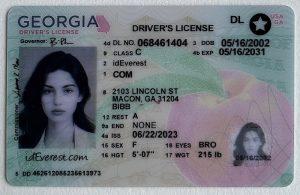
- Personal Identifiers: Do not share your Social Security number, passport details, or other identifying numbers.
By maintaining these boundaries, you can enjoy the excitement of meeting new people while ensuring your personal safety. Remember, it’s better to be cautious than regretful.
Understanding Risks How Sharing Too Much Can Backfire
In the quest for connection, it’s easy to get carried away and reveal too much too soon. While sharing can foster intimacy, oversharing on dating apps can lead to unintended consequences. Personal details, once out there, can be difficult to retract and might be used in ways you never intended.
- Identity Theft: Information like your full name, address, or workplace can be exploited to steal your identity.
- Stalking: Sharing your real-time location or frequent hangouts can make it easier for someone to track you.
- Financial Scams: Discussing financial details or showing off expensive items can attract scammers.
Remember, maintaining a balance between being open and safeguarding your privacy is key. Keep sensitive information close to the chest until trust is firmly established.

Crafting a Safe Profile Balancing Honesty and Privacy
When creating your dating profile, it’s essential to present an authentic version of yourself while safeguarding your personal information. This balance can be achieved by focusing on aspects of your personality and interests that truly define you, without revealing sensitive details. Here are some tips to help you maintain this equilibrium:
- Highlight Your Passions: Share hobbies and interests that spark joy and conversation, but avoid specifics like locations or membership details.
- Be Honest but Vague: Describe your job and lifestyle in broad terms. For example, say “I work in marketing” rather than naming your company.
- Choose Photos Wisely: Use images that showcase your personality, but skip ones that reveal identifiable landmarks or personal spaces.
- Skip the Full Name: Use only your first name or a nickname to protect your identity until you’re comfortable sharing more.
By thoughtfully curating your profile, you can ensure a safe and engaging experience that attracts genuine connections without compromising your privacy.

Communicating Wisely Tips for Safe Conversations Online
- Personal Information: Avoid sharing your full name, home address, or any identifying details like your workplace. This helps prevent potential misuse of your identity.
- Financial Details: Keep your bank account numbers, credit card details, and other financial information strictly private. Scammers often target dating platforms for financial exploitation.
- Photos and Videos: Be cautious about sending personal photos or videos, especially ones that could be used against you. Once shared, you lose control over how they’re used.
- Travel Plans: Revealing your travel itinerary or upcoming vacations can make you vulnerable to break-ins or other safety risks.
- Social Media Links: Sharing your social media profiles can give someone access to a wealth of personal information. Keep these connections private until you feel comfortable.
By maintaining discretion and focusing on what truly matters—getting to know the person—you’re not only protecting your privacy but also paving the way for more meaningful connections.