

In the ever-evolving landscape of modern relationships, the question of gender roles lingers like an echo from the past. Once rigidly defined, these roles have been reshaped, reimagined, and, for some, rendered obsolete. Yet, in the quiet corners of everyday life, their influence can still be felt. Are these roles mere relics of tradition, or do they continue to subtly steer the course of our partnerships? As we navigate this complex terrain, it’s worth exploring whether gender roles still matter in the dynamics of contemporary relationships and how they manifest in our quest for connection and balance.
Evolving Expectations in Partnership Roles
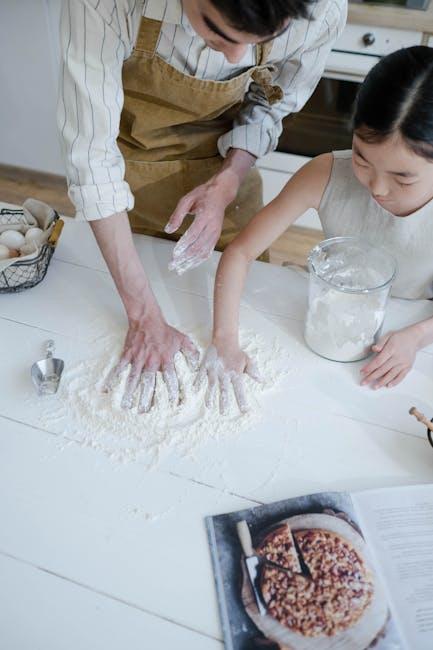
In today’s rapidly changing social landscape, the expectations surrounding partnership roles are in a state of flux. Traditional gender roles, once seen as the norm, are being re-evaluated and reshaped to fit a more inclusive and flexible framework. Many couples now strive for a balance that reflects their individual strengths and preferences rather than adhering to outdated stereotypes. This shift is evident in various aspects of life, from career choices to household responsibilities.
- Career Pursuits: Both partners are increasingly likely to prioritize career goals, leading to more shared responsibilities at home.
- Parenting Dynamics: The role of caregiving is evolving, with more fathers actively participating in child-rearing, challenging the traditional mother-centric model.
- Household Management: Chores and daily tasks are often divided based on practicality and personal strengths, rather than gender expectations.
These evolving expectations highlight a broader movement towards equality and mutual respect, encouraging partners to craft roles that resonate with their unique circumstances and desires.
Navigating the Balance of Power and Equality
In the evolving landscape of modern relationships, achieving a balance between power and equality requires a nuanced understanding of gender roles. While some may argue that traditional roles have become obsolete, their influence often persists in subtle ways. Couples today face the challenge of defining roles that resonate with their personal values rather than societal expectations. This shift towards personalized dynamics encourages open communication and mutual respect, paving the way for more equitable partnerships.
- Shared Responsibilities: Modern couples often negotiate household and financial duties, ensuring both partners contribute equitably.
- Emotional Support: There’s a growing emphasis on providing emotional strength and understanding, transcending traditional gender expectations.
- Career and Ambitions: Supporting each other’s professional goals is key, as both partners seek fulfillment beyond traditional roles.
By consciously navigating these aspects, partners can foster a dynamic where both feel empowered and valued, leading to a more balanced and satisfying relationship.

The Influence of Cultural Shifts on Relationship Norms
In recent decades, cultural shifts have significantly transformed the landscape of romantic relationships. Traditional gender roles, once seen as the cornerstone of relational dynamics, are being questioned and redefined. The influence of movements advocating for gender equality and individual expression has led many to re-evaluate what it means to be a partner in the modern world. Today, relationships are more likely to be built on mutual respect and shared responsibilities, rather than conforming to rigid societal expectations. This evolution is reflected in various aspects of daily life, from who takes on domestic duties to how career ambitions are balanced between partners.
Several factors contribute to this shift, including:
- Increased Workforce Participation: More women are pursuing careers, leading to a more equitable distribution of economic responsibilities.
- Access to Education: Higher education levels have empowered individuals to challenge traditional norms and seek partnerships based on equality.
- Media Representation: Diverse portrayals of relationships in media have broadened perceptions of what is possible and acceptable.
- Social Movements: Advocacy for LGBTQ+ rights and gender equality has encouraged a more inclusive understanding of relationships.
These changes highlight the fluidity of relationship norms and suggest a move towards partnerships that prioritize personal values and shared goals over societal expectations.
Practical Steps Toward More Equitable Connections
Building more equitable connections in relationships involves intentional actions and awareness. Here are some practical steps to foster balance:
- Open Communication: Encourage honest conversations about expectations and roles. Utilize active listening to ensure both partners feel heard and understood.
- Shared Responsibilities: Divide tasks and responsibilities based on preferences and strengths rather than traditional gender roles. This can lead to a more harmonious and supportive partnership.
- Continuous Learning: Stay informed about gender dynamics and societal changes. Engaging with diverse perspectives can broaden understanding and empathy.
- Regular Check-ins: Set aside time to discuss relationship dynamics and adjust roles as needed. This ensures both partners feel valued and respected.
By embracing these steps, couples can cultivate relationships that are both fulfilling and equitable, moving beyond outdated gender norms.