


In the intricate dance of human relationships, conflict often steps onto the stage uninvited. Whether it’s a simmering disagreement with a friend or a tense moment with a partner, conflicts are as inevitable as they are challenging. Yet, within these moments of tension lies an opportunity for growth and deeper understanding. This article explores the art of navigating conflict with grace, offering strategies that not only resolve disputes but also strengthen the bonds we cherish. Join us as we delve into techniques that transform discord into dialogue, ensuring that relationships emerge not only intact but enriched.
Navigating Emotional Currents with Empathy and Understanding
In the midst of a conflict, emotions can surge like unpredictable tides, making it challenging to maintain clarity and connection. Cultivating empathy involves stepping into the other person’s shoes and genuinely attempting to understand their perspective. This doesn’t mean agreeing with everything they say, but rather acknowledging their feelings as valid. Understanding acts as a bridge, allowing both parties to move beyond surface-level disagreements and address the underlying emotions driving the conflict.
Here are some strategies to harness empathy effectively:
- Active Listening: Give the other person your full attention. Reflect back what they’ve said to show you’re truly hearing them.
- Pause and Reflect: Before responding, take a moment to consider the emotional undertones of the conversation. This helps in crafting a more thoughtful reply.
- Ask Open-Ended Questions: Encourage a deeper dialogue by inviting them to share more about their feelings and thoughts.
- Express Empathy Verbally: Use phrases like “I can see why you’d feel that way” to show you’re connecting with their emotions.
By weaving empathy into your interactions, you create a safer space for honest communication, ultimately strengthening the bond rather than straining it.
The Art of Active Listening in Conflict Resolution
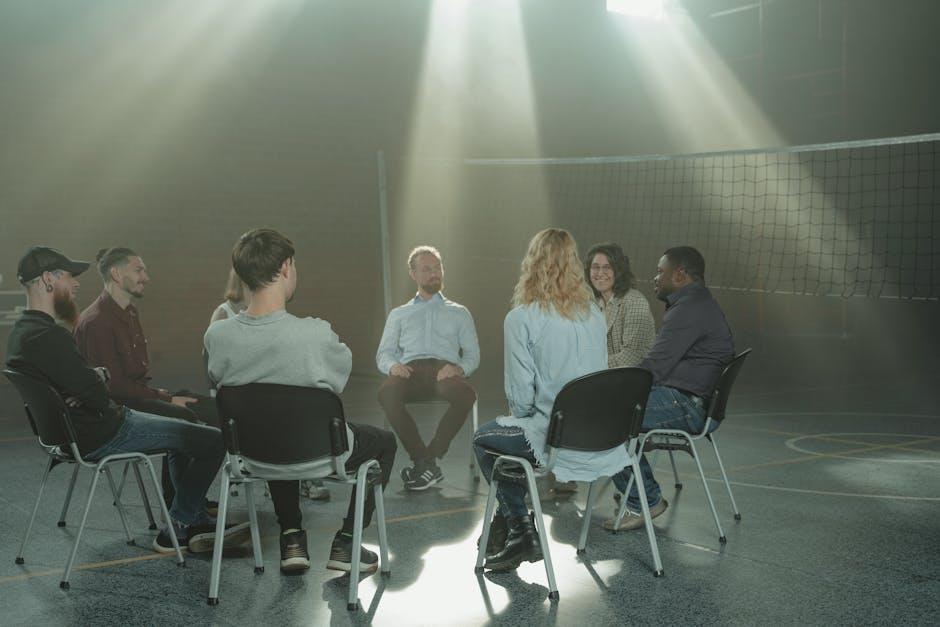
Active listening is a cornerstone of effective conflict resolution, transforming potential confrontations into opportunities for understanding and growth. By fully engaging with the speaker, you demonstrate respect and empathy, which can diffuse tension and foster a cooperative atmosphere. Here are some key techniques:
- Maintain Eye Contact: This simple yet powerful gesture shows your commitment to understanding the other person’s perspective.
- Reflect and Clarify: Paraphrase what you’ve heard to confirm understanding and ask clarifying questions to dig deeper.
- Avoid Interruptions: Allow the speaker to express their thoughts completely before responding, ensuring they feel heard.
- Pay Attention to Non-Verbal Cues: Observe body language and tone of voice to gain insights beyond words.
By embracing these practices, you not only resolve conflicts more effectively but also strengthen the bonds within your relationships.
Cultivating Constructive Communication: Words that Heal
In the realm of relationships, language serves as both a bridge and a barrier. The words we choose can either mend or deepen rifts. To foster healing and understanding, embrace communication strategies that prioritize empathy and clarity. Active listening is a cornerstone; genuinely absorbing what the other person is saying can transform misunderstandings into opportunities for growth.
- Use “I” statements: Frame your feelings and needs without casting blame. For example, “I feel concerned when…” rather than “You always make me feel…”.
- Focus on solutions: Shift the dialogue from what went wrong to how things can be improved moving forward.
- Validate emotions: Acknowledge the other person’s feelings, showing you value their perspective even if you disagree.
Mindful word choice is essential. Words can soothe or inflame, so opt for expressions that convey respect and compassion. In doing so, you lay the groundwork for a dialogue that not only resolves conflict but also strengthens the bond between you.

Finding Common Ground: Building Bridges Not Walls
In the midst of conflict, it can be easy to become entrenched in our own perspectives, but it’s crucial to focus on the shared values and goals that unite us. Empathy and active listening are key components in bridging divides. By truly understanding the other person’s viewpoint, we can foster a sense of connection and pave the way for constructive dialogue.
- Identify Shared Values: Highlight common interests and goals to establish a foundation of trust.
- Practice Active Listening: Listen with the intent to understand, not to respond. This demonstrates respect and openness.
- Use “I” Statements: Express your feelings and needs without placing blame, reducing defensiveness.
- Seek Compromise: Find mutually beneficial solutions that honor both parties’ needs and desires.
By focusing on building bridges, we create an environment where collaboration and understanding can flourish, strengthening the relationship even amidst disagreement.