



In the complex dance of human relationships, choosing a partner often involves an intricate interplay of logic, emotion, and intuition. While some swear by the methodical evaluation of compatibility, others place their trust in the elusive yet powerful force known as “gut feeling.” This enigmatic instinct, a blend of subconscious cues and emotional responses, often guides us in making some of life’s most profound decisions. But should we rely on this inner compass when choosing a partner? This article delves into the fascinating world of intuition, exploring its role in love and relationships, and weighing the wisdom of following our hearts over our heads.
Understanding the Science Behind Intuition in Relationships
At the crossroads of love and logic, intuition often whispers the loudest. While scientific exploration into the realm of intuition is still evolving, there are intriguing findings that suggest our subconscious mind plays a significant role in decision-making, particularly in romantic relationships. Intuition can be understood as the brain’s ability to rapidly process information based on past experiences and present cues, often leading to what we refer to as a “gut feeling.”
Research indicates that our brains are constantly gathering and analyzing data without our conscious awareness. This can include subtle cues like body language, tone of voice, and even pheromones. Here are a few insights into how intuition might influence relationship choices:
- Pattern Recognition: Our brains are adept at recognizing patterns from past relationships, helping us identify traits or behaviors in potential partners that align with our experiences.
- Emotional Resonance: Intuition can often manifest as a deep sense of connection or comfort with someone, driven by an alignment of values or emotional needs.
- Survival Instincts: Historically, intuition has been crucial for survival, allowing humans to sense danger. This can translate into a subconscious assessment of whether a person is trustworthy or compatible.
While intuition is a powerful tool, it’s essential to balance it with rational thought, ensuring that decisions are well-rounded and informed. Embracing both the heart and the mind may lead to more fulfilling and sustainable relationships.
Balancing Instinct and Rationality in Partner Selection
Navigating the intricate dance between instinct and logic in choosing a partner can be a challenging yet rewarding endeavor. On one hand, our instincts—those gut feelings that often arise without conscious reasoning—can guide us toward connections that feel naturally right. These instincts are rooted in evolutionary biology, aiming to protect us and steer us toward compatible mates. They can help us sense compatibility, emotional safety, and genuine attraction.
However, relying solely on instinct might overlook crucial elements that rational thinking can provide. Rationality encourages us to consider practical aspects such as shared values, life goals, and communication styles. It invites us to evaluate potential red flags and ensure that the foundation of a relationship is built on mutual respect and understanding.
- Instincts offer immediate, emotional insights.
- Rationality provides a structured evaluation of compatibility.
- Combining both can lead to a well-rounded approach in partner selection.
Striking a balance between these two can create a harmonious path, allowing individuals to pursue relationships that are both emotionally fulfilling and logically sound. By embracing both the heart and the mind, people can craft partnerships that stand the test of time.

Cultural Perspectives on Trusting Your Gut
Across the globe, the concept of trusting one’s instincts varies significantly, shaped by diverse cultural narratives and traditions. In many Western societies, the idea of following your heart is romanticized, with the belief that the subconscious mind holds wisdom beyond rational analysis. This perspective often champions personal freedom and individual choice, encouraging people to listen to their inner voice when making life-altering decisions, such as choosing a partner.
Conversely, some Eastern philosophies emphasize harmony and collective wisdom over individual intuition. In these cultures, decisions about relationships might be more influenced by family opinions, social compatibility, and long-term stability rather than fleeting emotions. Key cultural perspectives on gut feelings include:
- Western Cultures: Emphasize personal intuition as a guide to true happiness.
- Eastern Cultures: Focus on balance, community input, and rationality.
- Indigenous Traditions: Often view intuition as a spiritual connection, with ancestral wisdom guiding personal choices.
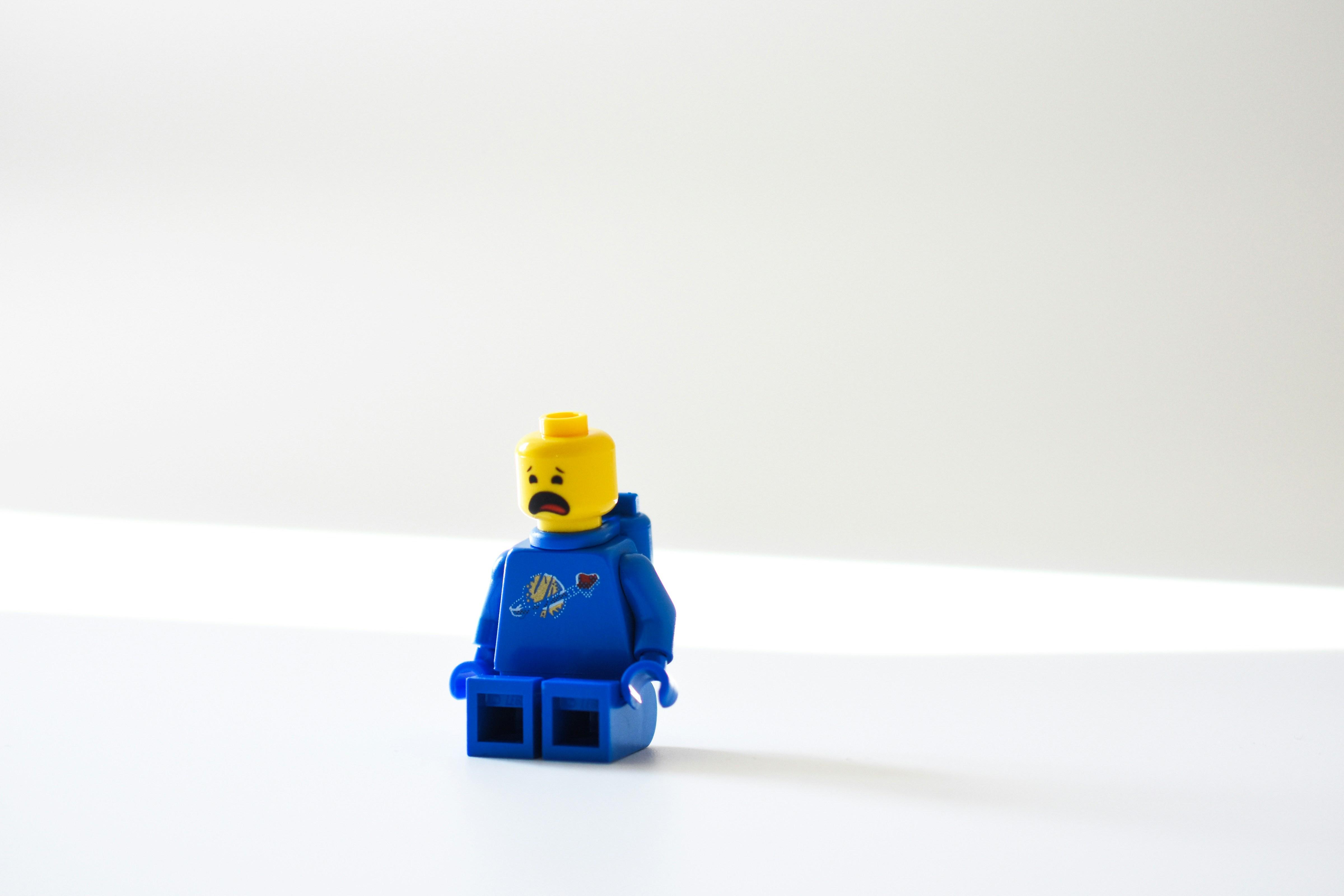 Practical Tips for Harmonizing Intuition with Logic”>
Practical Tips for Harmonizing Intuition with Logic
Finding the balance between intuition and logic can be a powerful approach when choosing a partner. Start by listening to your inner voice; it often holds insights from past experiences and emotional intelligence. However, complement this gut feeling with a logical evaluation. Consider asking yourself:
- What are the core values and goals you both share?
- How do they handle conflict and stress?
- Are they supportive of your ambitions and interests?
While intuition may guide you toward potential connections, logic helps you assess compatibility and stability. Regularly reflect on both your feelings and factual observations, and ensure they align over time. Remember, harmonizing these two aspects can lead to a well-rounded and fulfilling relationship.