


In the intricate dance of relationships, communication often takes center stage, a delicate choreography that can either harmonize or create discord. Imagine a couple where one partner speaks in vivid, emotive brushstrokes, while the other favors precise, logical lines. At first glance, it might seem like a recipe for miscommunication. Yet, can such contrasting styles coexist and even thrive within the same relationship? This article delves into the heart of this question, exploring whether couples with differing communication styles can not only maintain but also strengthen their bond, turning potential obstacles into opportunities for growth and understanding.
Understanding Diverse Communication Styles
In any relationship, understanding how your partner communicates can be as crucial as the words exchanged. Couples often find themselves navigating a variety of communication styles, which can range from direct and assertive to indirect and reserved. Recognizing and respecting these differences is essential for building a strong connection.
- Direct Communicators: They value clarity and honesty, often getting straight to the point. While this can prevent misunderstandings, it may sometimes come across as blunt.
- Indirect Communicators: These individuals prefer a more nuanced approach, relying on context and subtle cues. This style fosters sensitivity but can lead to ambiguity.
By embracing these diverse styles, couples can create a harmonious balance, ensuring that both partners feel heard and understood. Employing techniques such as active listening and empathy can bridge any gaps, fostering a relationship where both partners thrive.
Bridging the Gap: Techniques for Effective Dialogue
In relationships where partners have differing communication styles, finding common ground can seem daunting. However, there are several techniques that can help bridge these differences and foster effective dialogue. Active listening is crucial; it involves fully concentrating, understanding, and responding thoughtfully to your partner. This technique not only validates their feelings but also helps in reducing misunderstandings.
- Reflective Listening: Paraphrase what your partner says to ensure clarity and show that you are engaged.
- Nonverbal Cues: Pay attention to body language and tone of voice, which often convey more than words alone.
- Open-Ended Questions: Encourage more detailed responses by asking questions that require more than a yes or no answer.
- Compromise and Flexibility: Be willing to adapt and find a middle ground that respects both partners’ communication preferences.
Implementing these strategies can transform potential conflicts into opportunities for deeper understanding and connection, ensuring that differing styles do not become a barrier but a bridge to a stronger relationship.
Cultivating Empathy and Active Listening
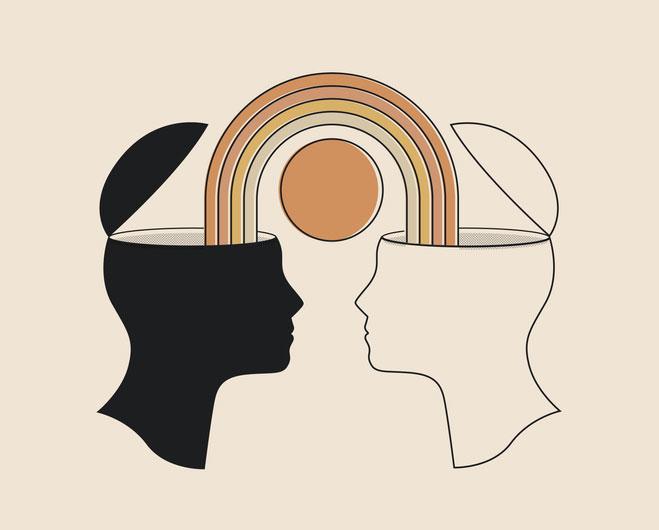
In relationships where partners exhibit distinct communication styles, fostering empathy and honing active listening skills are pivotal. Empathy involves putting oneself in the partner’s shoes, striving to understand their feelings and perspectives. This doesn’t mean agreeing on everything but acknowledging their emotions and experiences as valid. Empathy bridges the gap between different communication approaches, allowing partners to connect on a deeper emotional level.
Active listening is more than just hearing words; it involves fully engaging with what your partner is saying. This includes maintaining eye contact, offering verbal affirmations, and asking clarifying questions. Consider these practices:
- Reflective Listening: Repeat back what you’ve heard to ensure understanding.
- Nonverbal Cues: Use nods and smiles to show attentiveness.
- Open-ended Questions: Encourage more in-depth sharing.
By integrating these practices, couples can transcend their differing communication styles, cultivating a more harmonious and resilient relationship.

Practical Strategies for Harmonious Interactions
In relationships where partners have differing communication styles, developing practical strategies can be a game-changer. One effective approach is to establish shared communication goals. This involves setting clear intentions about how to convey feelings and expectations, ensuring both partners feel heard and understood. Incorporating regular check-ins can also help in addressing any misunderstandings before they escalate.
- Active Listening: Encourage each other to listen without interrupting, fostering an environment of trust.
- Empathy Exercises: Practice stepping into each other’s shoes to better understand diverse perspectives.
- Non-Verbal Signals: Be mindful of body language and facial expressions, which can sometimes speak louder than words.
- Utilize Technology: Use apps or tools designed to enhance communication and keep the dialogue flowing smoothly.
By implementing these strategies, couples can bridge communication gaps and cultivate a more harmonious connection, celebrating their differences rather than being hindered by them.