


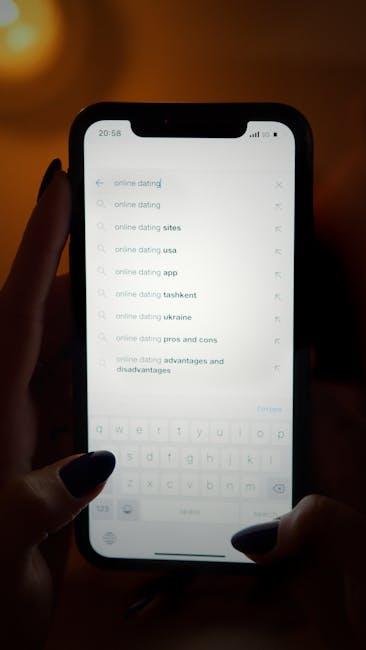
In the digital age of love and connection, where swipes and matches dictate the rhythm of romance, a new dilemma emerges: the phenomenon of ghosting. Picture this—you’re mid-conversation, sparks flying, only for the other person to vanish without a trace, leaving nothing but unanswered questions in their wake. As this practice becomes more prevalent, a debate arises within the realm of dating apps: should chronic ghosters face consequences? This article delves into the heart of the matter, exploring whether repeat offenders should be banned, and what implications such a move could have on the ever-evolving landscape of modern dating.
Understanding Ghosting Culture in the Digital Age
In the digital age, ghosting has become a prevalent phenomenon, particularly within the realm of online dating. This practice involves abruptly cutting off communication without explanation, leaving the other person confused and seeking closure. The anonymity and detachment provided by dating apps often contribute to this behavior, as users feel less accountable for their actions. While some view ghosting as a necessary escape from uncomfortable interactions, others see it as a breach of basic courtesy and empathy.
Should dating apps take action against repeat offenders? The debate centers around whether platforms should implement measures to ban users who habitually ghost others. Consider the potential benefits:
- Improved User Experience: Banning habitual ghosters could foster a more respectful and considerate community.
- Encouraging Accountability: Users might think twice before disappearing if there are consequences for their actions.
- Enhanced Reputation: Dating apps known for taking a stand against ghosting could attract more serious and committed users.
However, implementing such bans raises questions about privacy, enforcement, and the subjective nature of what constitutes ghosting. Balancing user freedom with community guidelines remains a complex challenge.

The Psychological Impact of Being Ghosted
Being ghosted can lead to a range of psychological effects that often go unnoticed. The sudden cessation of communication, without any explanation, can leave individuals grappling with feelings of confusion and self-doubt. It may trigger a cycle of questioning one’s worth, leading to anxiety and diminished self-esteem. The ambiguity of the situation can be particularly troubling, as the lack of closure prevents individuals from moving on effectively.
- Increased Anxiety: The uncertainty can heighten feelings of insecurity.
- Self-Doubt: Many start questioning their actions and worth.
- Lack of Closure: The inability to understand what went wrong can hinder emotional healing.
For some, these emotional impacts may even translate into a reluctance to engage in future relationships, fostering a sense of mistrust. The digital nature of ghosting amplifies these effects, as the absence of physical cues makes it harder to process and rationalize the experience. Understanding these impacts is crucial when considering the policies around user behavior on dating platforms.

Evaluating the Role of Dating Apps in User Accountability
In the evolving landscape of digital dating, accountability has become a pressing concern. The anonymity and ease of use offered by dating apps often lead to behaviors like “ghosting,” where users abruptly cut off communication without explanation. This raises the question of whether dating platforms should implement policies to ban individuals who repeatedly engage in such conduct. The implications of such measures are significant, as they could reshape the dynamics of online interactions and encourage more respectful engagement.
To tackle this issue, dating apps might consider several strategies:
- Tracking Patterns: Utilize algorithms to identify patterns of ghosting, ensuring that actions are not isolated incidents.
- User Feedback: Allow users to report ghosting behaviors, creating a community-driven approach to accountability.
- Warning Systems: Implement warnings or temporary suspensions before resorting to permanent bans, providing users a chance to amend their behavior.
By fostering an environment that discourages ghosting, dating apps can promote healthier connections and a more positive user experience.

Crafting Policies for a Respectful Dating Environment
Creating a respectful atmosphere on dating platforms requires thoughtful policy-making, especially regarding ghosting, a behavior that can leave users feeling disrespected and confused. Ghosting, the act of ending a relationship by suddenly cutting off all communication without explanation, is a common grievance. To address this, dating apps could consider implementing measures that encourage accountability and foster a healthier user experience.
Potential strategies might include:
- Warning Systems: Introduce gentle reminders or warnings for users who frequently ghost others, promoting awareness of their behavior.
- Education Initiatives: Provide resources and tips on effective communication and the impact of ghosting, helping users make more considerate choices.
- Feedback Mechanisms: Allow users to provide feedback on their experiences, creating a data-driven approach to identify patterns of disrespectful behavior.
By implementing such policies, dating apps can cultivate an environment where respect and transparency are prioritized, enhancing the overall dating experience.