

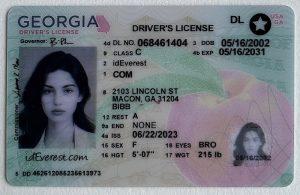

In the bustling digital marketplace of modern romance, where swipes and clicks have become the preludes to love stories, online dating apps reign supreme. Yet, beneath the surface of this virtual cupid’s playground, questions about identity and authenticity simmer. As tales of catfishing and deception continue to emerge, a pressing debate unfolds: Should these platforms implement more stringent identity verification measures? This article delves into the heart of the issue, exploring the delicate balance between user privacy and the quest for genuine connections in the age of digital love.
Navigating Trust in the Digital Age
- Transparency: Stricter identity verification can foster a sense of transparency, making users feel more secure in their interactions. By requiring users to verify their identities through official documents or social media profiles, dating apps can help reduce the prevalence of catfishing and fraudulent behavior. This transparency could lead to more genuine connections, as users can engage with confidence, knowing that the person on the other side is who they claim to be.
- Privacy Concerns: However, the push for stringent verification raises significant privacy issues. Many users may be reluctant to share personal information, fearing data breaches or misuse. Balancing the need for security with respect for privacy is crucial. Implementing robust data protection measures and clear privacy policies can help alleviate these concerns, ensuring that users feel both safe and respected.
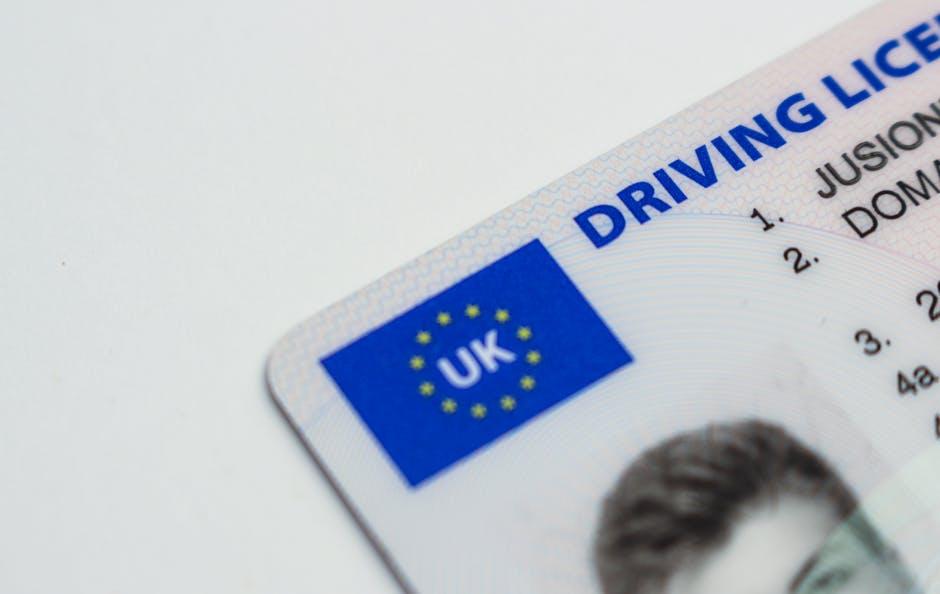
Balancing Privacy and Security in Online Dating
- Safety First: Implementing more rigorous identity verification processes on dating apps could significantly enhance user safety. By requiring users to verify their identities through government-issued IDs or other reliable means, these platforms can create a more secure environment. This step can deter malicious actors and reduce the likelihood of catfishing or identity theft. However, it’s crucial to balance these measures with respect for user privacy, ensuring personal data is handled with utmost care and transparency.
- Privacy Concerns: While enhanced verification can improve security, it also raises valid concerns about data privacy. Users may feel uneasy about sharing sensitive information, fearing potential data breaches or misuse. Dating platforms must prioritize secure data storage and transparent privacy policies to build trust. Offering options for users to control their level of identity disclosure can also help in maintaining a balance, allowing them to feel safe while protecting their personal information.
The Role of Technology in Identity Verification
In an era where our digital footprints often reveal more about us than our physical ones, technology plays a pivotal role in ensuring that the person behind the profile is genuine. With the rise of artificial intelligence and machine learning, identity verification processes have become more sophisticated and efficient. These advancements can help online dating apps create safer environments by detecting fraudulent accounts and reducing catfishing incidents.
- Biometric Authentication: Utilizing facial recognition or fingerprint scanning to verify users adds an extra layer of security.
- Document Verification: Scanning official IDs can help confirm the identity of a user, ensuring they are who they claim to be.
- AI-Powered Analysis: Algorithms can analyze user behavior patterns to identify and flag suspicious activities.
While these technologies offer enhanced security, they also raise concerns about privacy and data protection. Balancing the need for safety with the right to privacy remains a challenge for developers and users alike. However, with proper implementation, technology can significantly reduce the risks associated with online dating.

Recommendations for Safer Online Dating Platforms
Ensuring a secure experience on dating platforms is crucial. One effective approach is implementing robust identity verification methods. By requiring users to verify their identities through government-issued IDs or biometric checks, platforms can significantly reduce the number of fake profiles and potential scams. This not only fosters a safer environment but also builds trust among users.
To enhance user safety, consider the following recommendations:
- Multi-factor Authentication: Implementing two-step verification can add an extra layer of security.
- Profile Verification Badges: Offer visible indicators for verified profiles to assure users of authenticity.
- Privacy Controls: Allow users to control who can view their profiles and personal information.
- Regular Security Audits: Conduct routine checks to identify and address potential vulnerabilities.
By integrating these features, online dating platforms can create a safer, more trustworthy space for meaningful connections.