

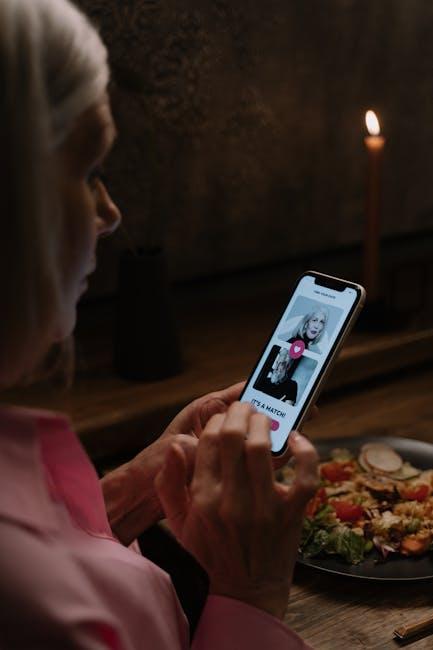
In the digital age of swipes and matches, dating apps have revolutionized the way we seek connection. Yet, beneath the glossy profiles and curated conversations lies a complex web of behaviors that challenge traditional notions of courtship. As the quest for love becomes increasingly digitized, terms like “ghosting” and “breadcrumbing” have entered the modern lexicon, raising questions about the impact of these platforms on our social interactions. Are dating apps fostering a culture of fleeting connections and emotional detachment, or are they merely reflecting age-old behaviors in a new format? This article delves into the intricacies of digital romance, exploring whether the very tools designed to bring us closer are inadvertently pushing us apart.
Understanding the Digital Dating Landscape
In the fast-paced world of online dating, the landscape has shifted dramatically, introducing new behaviors that are reshaping how we connect. Ghosting and breadcrumbing are two phenomena that have emerged, often leaving users frustrated and questioning the impact of digital dating. These behaviors, while not new, have been amplified by the convenience and anonymity that dating apps provide.
- Ghosting: This involves abruptly cutting off all communication without explanation. The ease of swiping left or right allows individuals to disappear without accountability.
- Breadcrumbing: Here, one party sends sporadic, non-committal messages to keep someone interested, but without any intention of pursuing a serious relationship.
These actions can foster a culture of disposability and emotional detachment, challenging the way we perceive relationships. While dating apps offer vast opportunities to meet new people, they also create a space where such behaviors can thrive unchecked.

Unraveling the Rise of Ghosting and Breadcrumbing
In the era of dating apps, the terms ghosting and breadcrumbing have become part of the modern dating lexicon, often leaving users puzzled and hurt. But what fuels these behaviors? Dating platforms, designed to offer a plethora of choices, may inadvertently encourage such practices. With the ease of swiping left or right, the emotional detachment becomes seamless, making it simpler to vanish without explanation or to string someone along with sporadic messages.
- Ghosting: The abrupt end to communication, leaving the other person in a state of confusion.
- Breadcrumbing: Sending occasional messages to keep someone interested without any intention of a meaningful connection.
While these behaviors aren’t new, their prevalence in the digital age raises questions about the impact of technology on interpersonal relationships. The design of dating apps, often emphasizing quantity over quality, can lead to superficial interactions, where accountability is minimized. Understanding the root causes and dynamics of these behaviors is essential for fostering healthier connections in the online dating world.
Psychological Impacts of Modern Dating Practices
In the fast-paced world of online connections, dating apps have undeniably reshaped how we approach relationships, but they also introduce complex psychological dynamics. Ghosting, for instance, has become a common phenomenon, leaving individuals feeling confused and rejected. This abrupt end to communication can lead to feelings of inadequacy and self-doubt. Similarly, breadcrumbing—where one person gives just enough attention to keep someone interested but with no intention of pursuing a relationship—can create a cycle of hope and disappointment, impacting self-esteem and trust.
- Emotional Rollercoaster: The instant gratification and endless options on dating apps can lead to emotional highs and lows, often resulting in anxiety and stress.
- Superficial Connections: The focus on appearance and first impressions may encourage superficial judgments, making it challenging to form deeper connections.
- Fear of Missing Out (FOMO): With so many choices available, there’s a constant pressure to find someone ‘better,’ which can prevent individuals from fully committing.
These modern dating practices can inadvertently promote unhealthy behaviors, emphasizing the need for more mindful and empathetic interactions in the digital dating landscape.
Strategies for Healthier Online Dating Experiences
- Set Clear Intentions: Before diving into the world of online dating, take a moment to reflect on what you’re truly seeking. Whether it’s a long-term relationship or casual connections, being transparent about your goals can help you connect with like-minded individuals and reduce misunderstandings.
- Communicate Openly: Honest communication is key to avoiding unhealthy behaviors like ghosting or breadcrumbing. If your interest wanes, consider offering a kind and respectful message instead of disappearing. This not only fosters a culture of respect but also encourages others to do the same.
- Limit Swiping Time: Endless swiping can lead to burnout and superficial interactions. Set boundaries on your app usage to ensure you’re engaging meaningfully rather than mindlessly scrolling. This can enhance the quality of your connections and help maintain a healthy balance.
- Practice Self-Care: Prioritize your mental and emotional well-being by taking breaks when needed. Online dating should be an enjoyable experience, not a source of stress. Regularly check in with yourself to ensure that the process remains fun and fulfilling.